The Evolution of Darts: How Different Countries Shaped the Modern Rules

The Evolution of Darts: How Different Countries Shaped the Modern Rules
Today, darts is a global sport with standardized rules, professional tournaments, and millions of players across continents. But the journey from a casual pub pastime to a televised competition has been shaped by centuries of local traditions, national innovations, and international collaboration. From English pubs to Dutch training halls and American bars, each country has left its mark on how the game is played today. Let’s take a closer look at how darts evolved—and who helped define the rules that now unite players worldwide.
From Tavern Game to Precision Sport
The origins of darts trace back to medieval England, where soldiers practiced accuracy by throwing shortened arrows at wooden targets. Over time, this training exercise found its way into taverns, becoming a popular leisure activity by the 19th century. Early dartboards were handmade, and scoring systems varied widely from region to region. Some used concentric circles, others divided the board into sectors, and there was little agreement on how to count points.
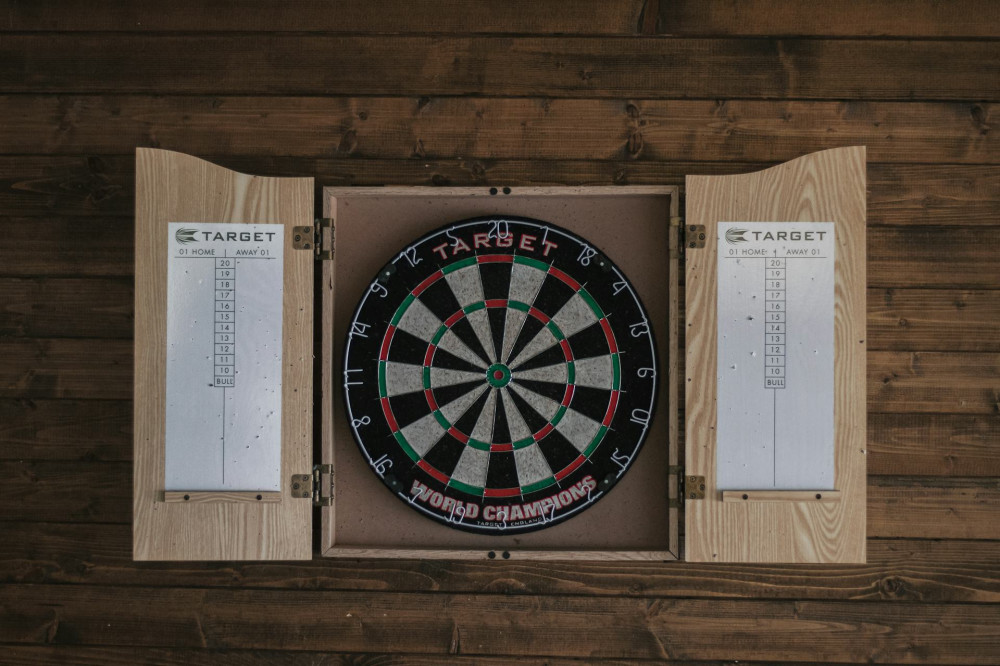
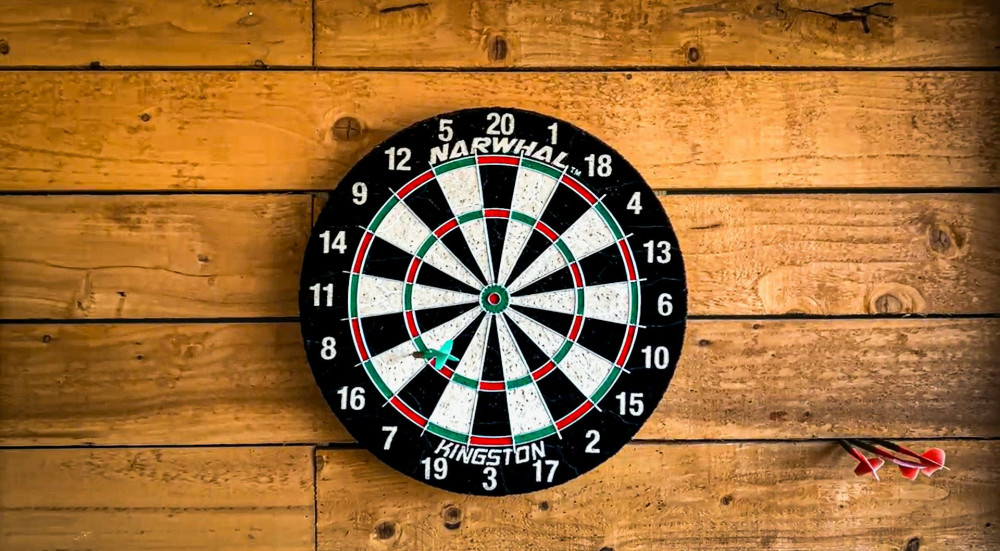
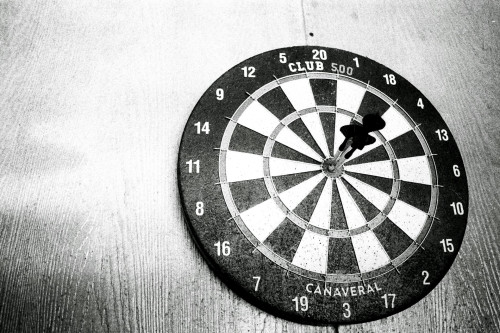
It wasn’t until 1896 that English carpenter Brian Gamlin introduced the numbering system still used today—a clever arrangement that rewards precision and punishes inconsistency. By the early 1900s, the modern dartboard design had become standard in England, setting the stage for organized competition.
England: The Birthplace of Modern Darts
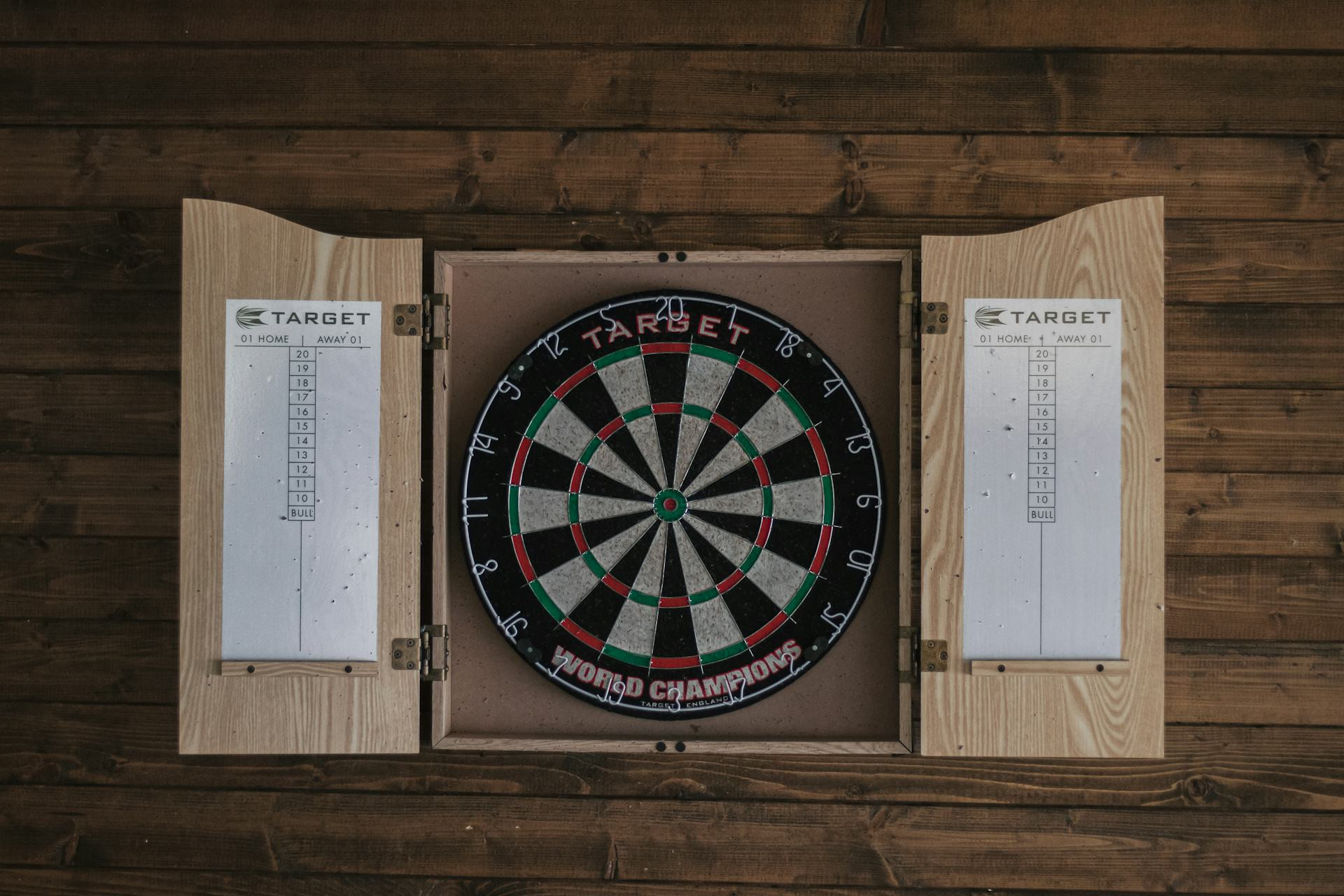
England remains the undisputed home of darts. The first organized leagues and national tournaments emerged there in the early 20th century, transforming the game from a casual pub activity into a structured sport. In 1927, London hosted the first national darts championship, and soon after, standard measurements were established: 7 feet 9¼ inches from the throw line to the board, and 5 feet 8 inches from the floor to the bullseye. These dimensions, later codified by the British Darts Organisation (BDO), are still used in professional play today.
The English emphasis on consistency and fair competition laid the foundation for the sport’s global expansion. Pub leagues became community institutions, and televised matches in the 1970s and 1980s turned local heroes into national icons.
Læs også:
The Netherlands: Precision and Professionalism
In the late 20th century, the Netherlands emerged as a powerhouse in the darts world. Dutch players like Raymond van Barneveld and Michael van Gerwen not only dominated international tournaments but also helped elevate the sport’s professional image. Dutch clubs and federations introduced structured youth programs and training systems that inspired similar efforts across Europe.
The Netherlands also embraced technology early, popularizing electronic dartboards that automatically recorded scores and reduced human error. This innovation made the game more accessible to casual players and helped modernize competitive play.
The United States: Entertainment and Innovation
Across the Atlantic, darts took on a distinctly American flavor. Introduced in the early 1900s, the game became a staple of bar culture, often played in a more relaxed, social setting. Americans developed their own variations, most notably “American Cricket,” which uses a different scoring system and emphasizes strategy over pure point accumulation.
The U.S. also played a key role in commercializing darts. Sponsorships, televised events, and large cash prizes turned the game into a spectator sport. This entertainment-driven approach influenced the British Professional Darts Corporation (PDC), which later adopted similar strategies to attract global audiences. The American focus on showmanship and accessibility helped transform darts from a niche pastime into a mainstream spectacle.
Scandinavia: Community and Fair Play
In Scandinavia, darts gained popularity in the 1970s and 1980s as an organized amateur sport. Denmark, Sweden, and Norway emphasized inclusivity, sportsmanship, and community spirit. Local clubs became social hubs where players of all ages and skill levels could compete on equal terms. Scandinavian federations also worked to preserve the social side of darts—ensuring that, even as the sport grew more competitive, it remained friendly and accessible.
This balance between competition and camaraderie has made darts a beloved pastime throughout the region and contributed to its reputation as a sport for everyone.
Global Standardization and the Modern Era
Today, darts is governed by international bodies such as the Professional Darts Corporation (PDC) and the World Darts Federation (WDF), which maintain consistent rules and measurements worldwide. Digital scoring systems, online tournaments, and global broadcasts have made the sport more connected than ever before.
Yet, despite this standardization, darts still reflects its diverse roots. The British tradition of pub play, the Dutch focus on precision, the American flair for entertainment, and the Scandinavian sense of community all coexist within the modern game. Together, they form the cultural mosaic that defines darts today.
A Sport with History and Heart
The evolution of darts shows how a simple game of aim and accuracy can grow into a global sport through creativity, collaboration, and cultural exchange. Each country has contributed something unique—whether it’s rules, technology, or spirit—and that diversity continues to shape the game’s future.
Whether played casually in a neighborhood bar or on a professional stage before thousands of fans, darts remains true to its origins: a test of precision, focus, and shared enjoyment.
Læs også: