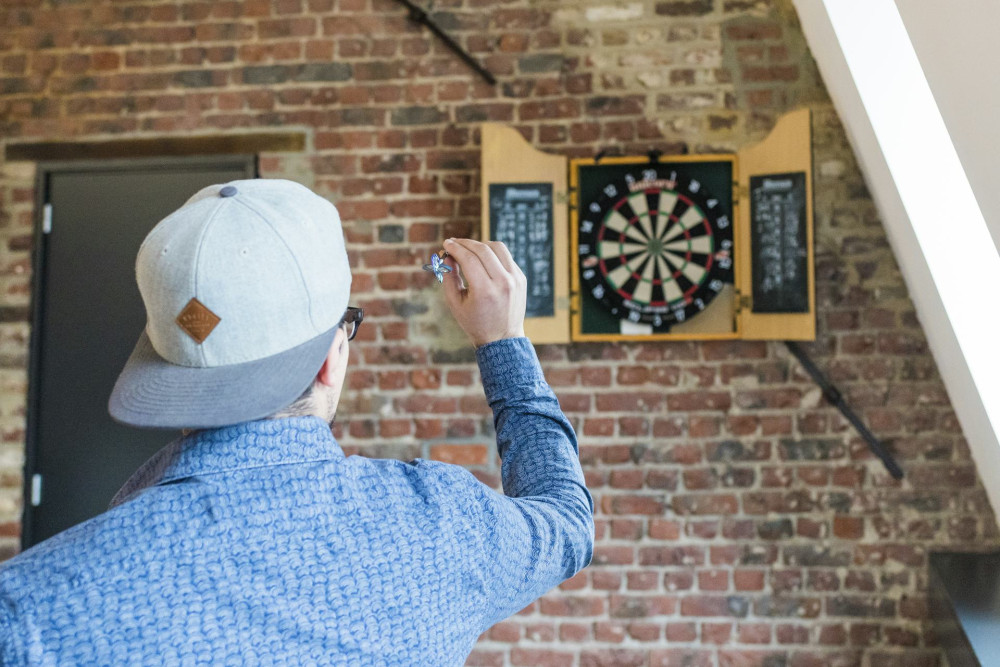
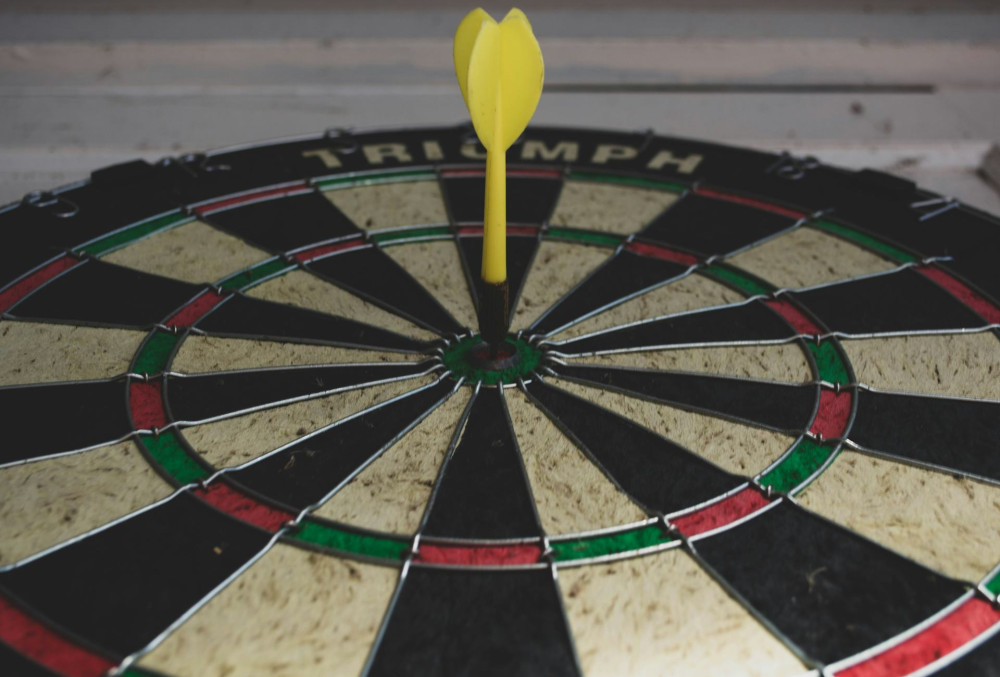
Set Realistic Goals for Your Darts Practice and Track Your Progress

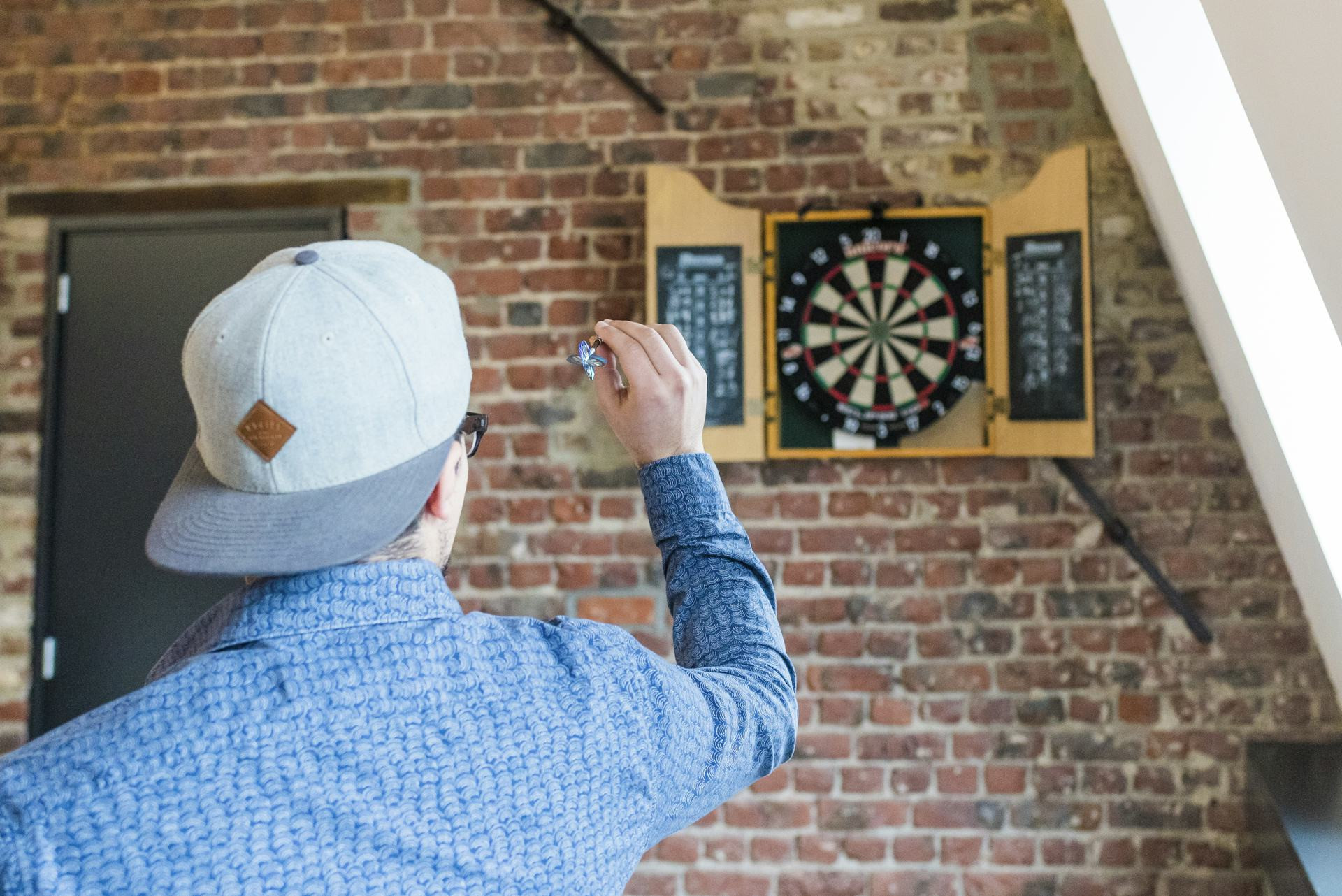
Set Realistic Goals for Your Darts Practice and Track Your Progress
Darts is a game of precision, patience, and consistency. Whether you play casually at your local bar or dream of competing in tournaments, setting realistic goals for your practice is key to improving your performance. Clear goals help you stay motivated, structure your training, and see measurable progress over time. Here’s a guide to help you set meaningful goals and track your development in a way that keeps you inspired.
Know Where You’re Starting From
Before setting goals, it’s important to understand your current level. Take a moment to assess your strengths and weaknesses. How often do you hit the treble 20? How many darts do you typically need to finish a leg? How do you perform under pressure?
Keep track of your stats during practice or matches—average score per throw, checkout percentage, and number of 180s are good starting points. This data gives you a clear picture of your performance and helps you identify areas for improvement.
Læs også:
Set Goals That Motivate and Can Be Measured
A good goal should be both realistic and measurable. Instead of saying, “I want to get better at darts,” try something specific like, “I want to raise my three-dart average from 45 to 55 within three months.” This makes it easier to track progress and adjust your training as needed.
You can set different types of goals:
- Technical goals – for example, improving your throwing technique or stabilizing your stance.
- Performance goals – such as reaching a certain average or winning a local league match.
- Process goals – like practicing three times a week for at least 45 minutes.
Combining these types of goals keeps you focused on both the process and the results.
Create a Plan You Can Stick To
Many players lose motivation because they set goals that are too ambitious or train without structure. A good plan fits your schedule and energy level. It’s better to practice regularly in shorter sessions than to have long breaks between intense ones.
Build a weekly routine that includes variety:
- Technical practice – focus on grip, stance, and release.
- Scoring drills – aim for specific targets like 20s or 19s.
- Checkout practice – work on finishing from different numbers.
- Mental training – practice staying calm and focused, even after a missed shot.
Set small milestones along the way, such as hitting 100 treble 20s in a week or improving your double percentage by five points. These small wins keep you motivated and show that your effort is paying off.
Track Your Progress Consistently
Tracking your progress isn’t just for professionals—it’s one of the best ways to stay motivated. Use a darts app, a spreadsheet, or a simple notebook to record your results. Note the date, type of practice, average score, and any comments about how you felt during the session.
Seeing your numbers in black and white helps you recognize patterns. You’ll notice where you’re improving and where you might be stuck. This insight allows you to adjust your training and set new, realistic goals.
Learn From Your Matches
Playing matches is an essential part of improving. It tests your focus, nerves, and ability to finish under pressure. After each match, take a few minutes to reflect:
- What went well today?
- Where did I lose focus?
- How did I handle pressure situations?
By analyzing your matches, you’ll develop the mental toughness that separates good players from great ones.
Keep the Fun in the Game
While structure and goal-setting are important, darts should always remain enjoyable. Celebrate your small victories and remember that progress takes time. Even top players go through ups and downs.
If you hit a rough patch, remind yourself why you started playing—maybe it’s the social aspect, the thrill of competition, or the satisfaction of hitting your target. That passion is what keeps you improving.
From Ambition to Routine
Setting realistic goals isn’t about limiting yourself—it’s about creating a framework for steady growth. When you train with purpose, track your progress, and adjust along the way, your improvement becomes visible and your motivation stays strong.
Whether your goal is to beat your friends at the local bar or to compete on a bigger stage, the journey starts the same way: with a clear goal, a solid plan, and the drive to get a little better every day.
Læs også: