The Driver and the Horse: The Interaction That Builds Trust and Results

The Driver and the Horse: The Interaction That Builds Trust and Results
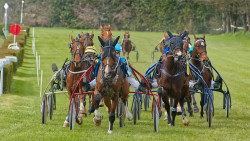
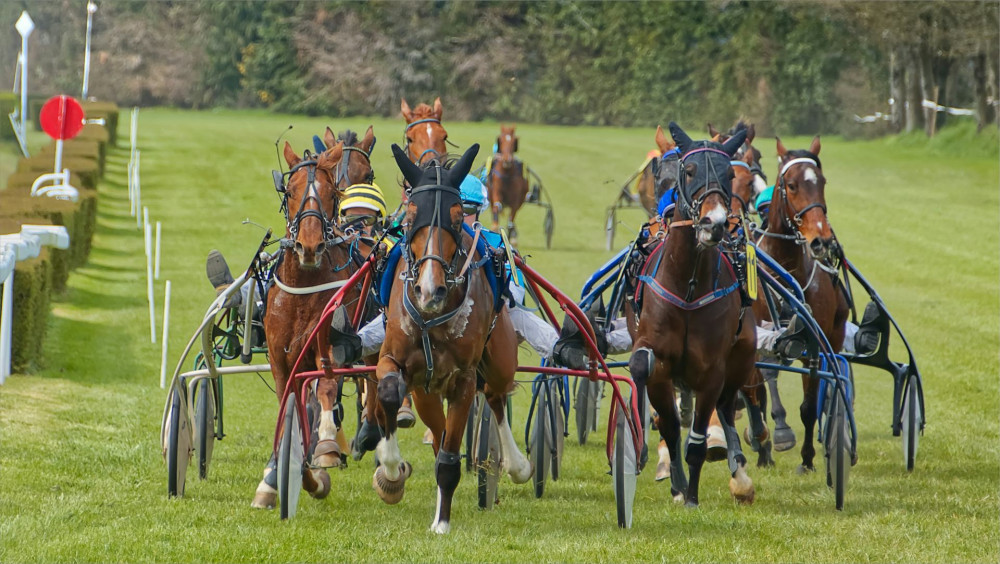
When the horse is harnessed and the driver takes the reins, a partnership begins that depends on far more than speed or strength. It’s about trust, timing, and understanding—a connection where human and animal must move as one. In American harness and racing sports, this relationship often determines whether the day ends in victory or disappointment.
A Partnership Built on Trust
A horse won’t perform its best if it feels uneasy. The driver’s first task is to create a sense of safety and confidence. That process starts long before race day—in the barn, during training, and through the small routines repeated day after day. Horses are creatures of habit; they respond to calmness, consistency, and clear body language.
Trust grows when the driver learns to read the horse’s signals: how it reacts to voice, rein pressure, and changes in pace. Experienced drivers can sense when a horse is focused and when it’s uncertain. That sensitivity can’t be taught overnight—it’s built through time, patience, and shared experience.
Communication Without Words
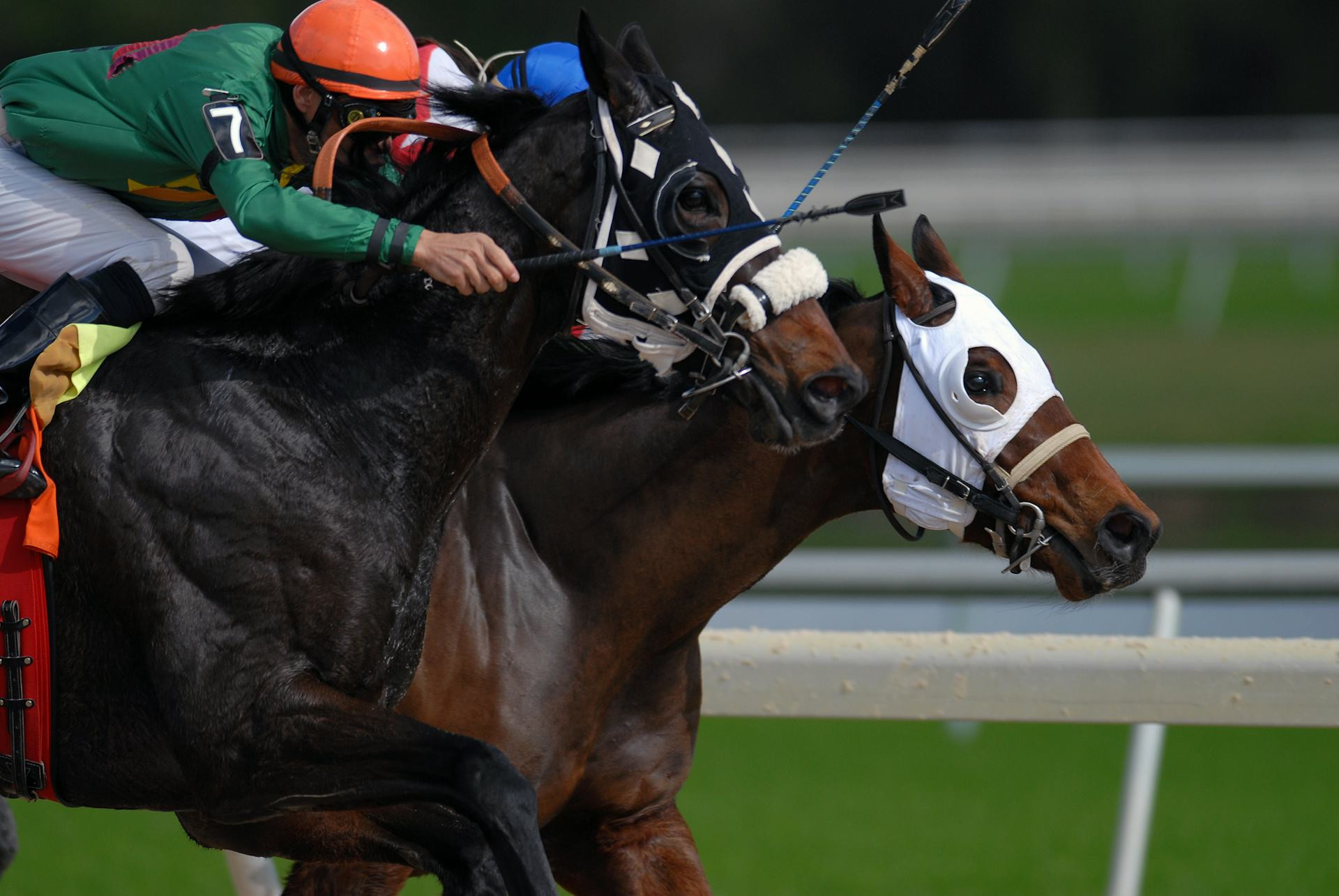
During a race, everything happens in seconds. There’s no time to think through every cue. The driver must react instinctively, and the horse must understand even the smallest shift in rhythm or movement. Communication happens through hands, posture, voice, and energy.
A nervous driver can transmit tension to the horse, while a calm, centered driver can help even a young or high-strung horse settle and perform beyond expectations. It’s a silent dialogue, a constant exchange of signals that both partners interpret in real time.
Training: More Than Conditioning
Training isn’t just about building stamina or muscle—it’s about building understanding. A good driver varies the training routine so the horse is challenged both physically and mentally. Some days focus on speed and technique; others emphasize relaxation and balance.
Many American trainers spend time working from the ground—leading, lunging, and handling the horse outside the sulky. This groundwork strengthens the bond and makes communication smoother during races. A horse that knows its driver’s voice and movements will respond faster and more accurately when it counts.
Race Day: When the Partnership Is Tested
On race day, everything is amplified. The crowd, the noise, the competition—all can make even seasoned horses react differently. This is when the strength of the partnership truly shows. A driver who knows their horse can sense when it’s ready to push forward and when it needs a moment to settle.
Top drivers often describe the feeling of “becoming one” with the horse—as if their movements merge into a single rhythm. Those are the moments when trust and training come together, and performance reaches its peak.
After the Race: Learning and Respect
Whether the race ends in triumph or defeat, the partnership continues. A good driver reviews not only their own performance but also the horse’s. How did it handle the pace? Was it tense at the start? Did it find its rhythm? Each experience adds to the shared understanding between horse and driver.
Respect for the horse is a core value in the sport. The horse must be treated as an athlete—with care, patience, and empathy. A horse that feels respected will give more and stay sounder over time.
Læs også:
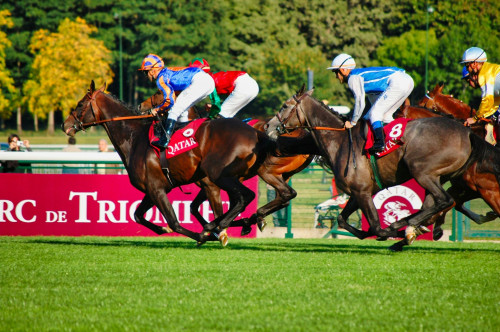
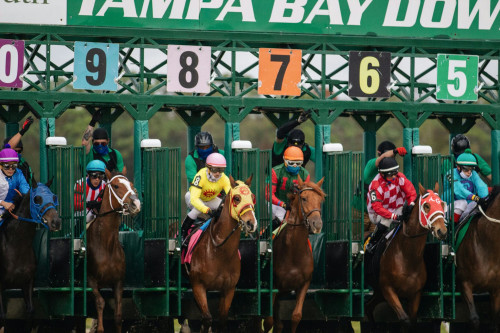
The Interaction as the Key to Success
In the end, it’s not just the horse’s speed or the driver’s skill that brings success—it’s the interaction between them. When trust, communication, and training align, a special harmony emerges. That’s where the true magic of equestrian sport lies—in the meeting of human and horse, where cooperation becomes performance, and trust turns into speed.
Læs også: