Reading the Horse: Movement and Posture as Indicators of Form

Reading the Horse: Movement and Posture as Indicators of Form
Being able to “read” a horse is about far more than knowing its record on paper. A horse’s movement, posture, and overall demeanor can reveal how it feels—both physically and mentally—and offer valuable clues about its current condition. For trainers, riders, and even race bettors, the ability to interpret these signals is an essential skill.
The First Impression – A Window into Form
When a horse steps onto the track or into the show ring, the first impression often tells the story. A horse in good form moves with energy and confidence, without appearing tense. Its eyes are bright, ears alert, and tail carried naturally. A tired or unfit horse, on the other hand, may move heavily, carry its head low, and lack sparkle in its expression.
Experienced observers often talk about a horse’s “presence”—that special blend of calmness and vitality that marks an athlete ready to perform.
Rhythm and Balance in Motion
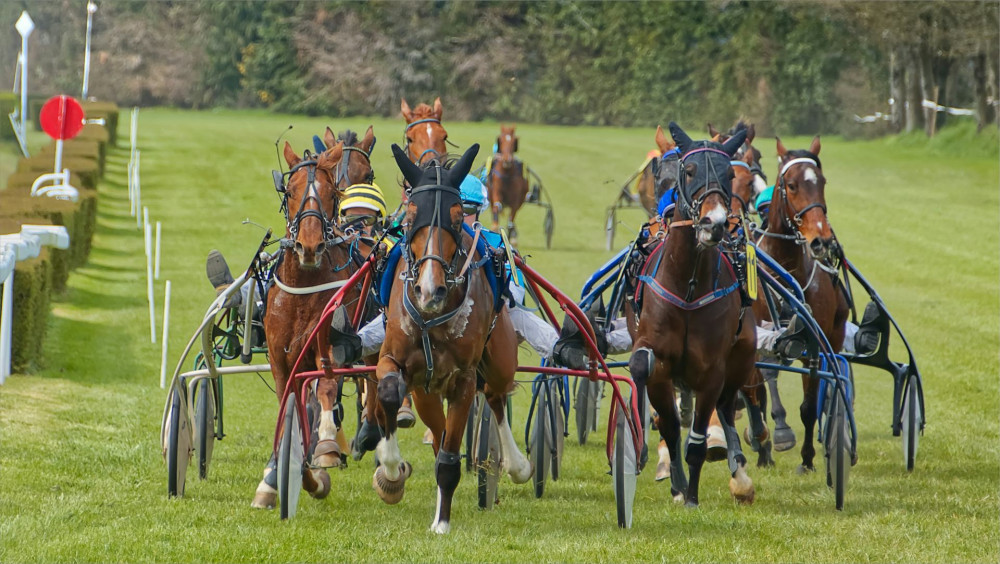
Movement is one of the clearest indicators of a horse’s physical state. A balanced horse moves rhythmically and fluidly, with even strides and good engagement from behind. It uses its back freely and steps well under its body—a sign of strength and suppleness.
Stiffness, uneven strides, or a tendency to move on the forehand can point to fatigue, muscle tension, or the onset of soreness. Even subtle changes in gait can be meaningful, especially when you’ve watched the same horse over time.
Posture and Muscle Tone
A horse’s posture says a great deal about its training and fitness. A well-conditioned horse shows even muscle development, particularly over the back, hindquarters, and shoulders. It stands squarely, weight evenly distributed, appearing relaxed yet ready to move.
A horse out of form may appear “dropped” in the back or unevenly muscled. You can often see signs of imbalance in the stall or paddock—a horse that consistently rests the same leg may be compensating for discomfort.
Behavior and Mental State
Form isn’t just physical. A horse’s mental balance plays a major role in performance. A horse in good mental shape is attentive but not anxious. It responds to its surroundings without overreacting and works willingly with its rider or handler.
Conversely, a horse that seems restless, spooky, or irritable may be overtrained or uncomfortable. Some show it by tossing the head, grinding the bit, or swishing the tail—small signals that something isn’t quite right.
Læs også:
Seeing Patterns, Not Snapshots
Reading a horse takes patience and experience. It’s not about drawing conclusions from a single workout or race, but about recognizing patterns over time. How does the horse move when it’s at its best? How does its body language change when it’s tired or coming back from a layoff?
Keeping notes or comparing video clips can help you spot the subtle differences that separate a horse on the rise from one that’s losing form.
For the Bettor: Visual Clues Before the Race
For those who wager on horse racing, pre-race observation can be invaluable. Many seasoned bettors use the paddock as a key part of their analysis. Watching how a horse walks, reacts to the crowd, and interacts with its handler can reveal a lot.
A horse that walks calmly but with purpose is often in good balance. One that sweats excessively, rears, or appears agitated may be burning energy before the race even begins.
The Blend of Knowledge and Intuition
Reading a horse is both a science and an art. It requires understanding anatomy, training, and behavior—but also intuition and experience. The more you observe, the better you become at distinguishing between random quirks and genuine signs of form.
For the rider, this insight can lead to smarter training decisions. For the trainer, it can mean fewer injuries. And for the bettor, it might mean spotting the horse that’s about to peak—before anyone else does.
Læs også: