Past Races as a Guide: How to Spot Patterns in Horse Racing


Past Races as a Guide: How to Spot Patterns in Horse Racing
Understanding horse racing isn’t just about luck—it’s about recognizing patterns. Behind every race lies a wealth of data, trends, and subtle signals that can reveal how a horse might perform next time out. For both newcomers and seasoned bettors, analyzing past performances can be the key to making smarter, more informed decisions. Here’s a guide to using race history as your best tool in the world of horse racing.
Why Past Performances Matter
A horse’s previous races tell a story about its form, strengths, and weaknesses. Just as a baseball player’s stats can show how he performs against certain pitchers, a horse’s race record can reveal the conditions under which it thrives.
By studying past races, you can answer questions like:
- How does the horse perform on different track surfaces (dirt, turf, synthetic)?
- Does it tend to break fast or come from behind?
- How does it handle various distances and weather conditions?
- Is there a pattern in how it performs with certain jockeys?
These details can be crucial when assessing whether a horse is well-suited for an upcoming race.
Read Race Results with a Critical Eye
A race result is more than just a finishing position. A horse that finished fifth might have run a stronger race than the winner if it started from a tough post position or got boxed in during the stretch.
When reviewing past performances, pay attention to:
- Post position: Some horses prefer the inside rail, while others perform better from the outside.
- Race pace: A fast early pace can favor horses with stamina, while a slower pace benefits those with a strong finishing kick.
- Margin of defeat: A close finish can indicate good form, even if the horse didn’t win.
- Trip notes: Comments like “checked,” “bumped,” or “wide trip” can explain a poor result and hint at hidden potential.
Læs også:
Spotting Trends in Form and Development
A horse’s form changes over time. Some peak in the spring, others in late summer. By looking at the last five to ten races, you can get a sense of whether a horse is improving, holding steady, or declining.
Keep track of:
- Improvement in times: Is the horse running faster over the same distance?
- Consistency in finishes: Does it stay near the top, or are results erratic?
- Response to layoffs: Some horses perform best fresh, while others need a few races to reach top form.
By comparing these factors, you can start to see repeating patterns—and use them to anticipate future performance.
Jockeys and Trainers – The Hidden Influences
A horse never runs alone. The jockey’s style and the trainer’s strategy play major roles. Some jockeys have a special touch with certain horses, while others excel in specific race types.
Look for:
- Jockey-horse partnerships: Have they had success together before?
- Trainer form: Are other horses from the same barn performing well lately?
- Equipment or strategy changes: A new bit, blinkers, or a shift in running tactics can make a big difference.
Recognizing these connections can give you an edge when evaluating a race field.
Track Conditions and Weather – The Overlooked Factors
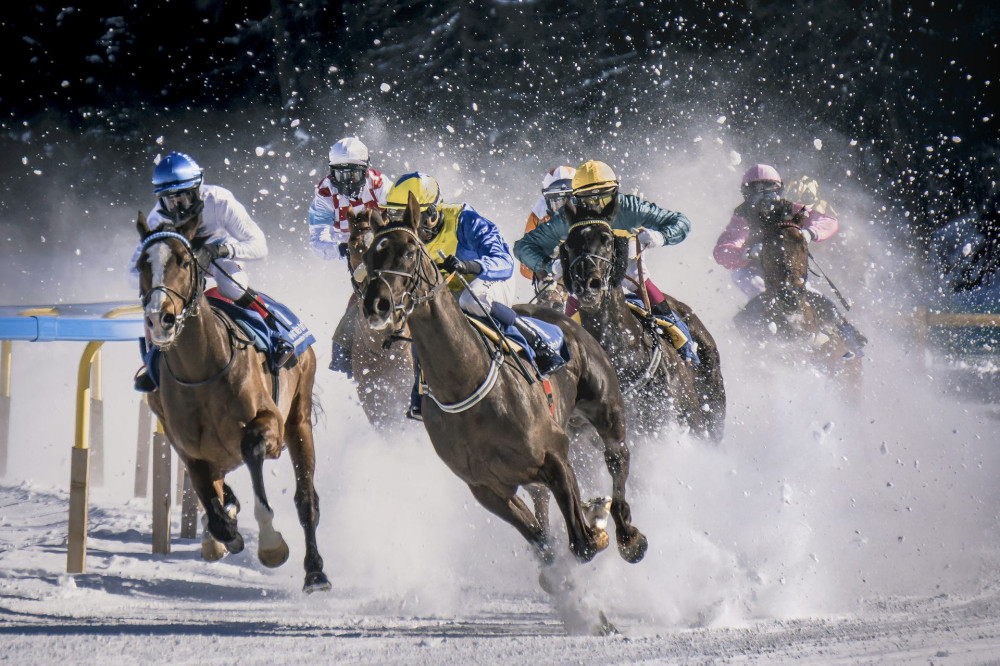
Even the best horse can struggle if the track doesn’t suit it. Some horses love a sloppy track after rain, while others only shine on a fast surface. That’s why it’s important to compare past results with current conditions.
Consider:
- Track surface and condition: Match previous wins to today’s surface.
- Weather and temperature: Some horses are affected by heat or cold.
- Travel distance: Long trips can impact performance, especially for younger or less experienced horses.
By factoring in these details, you can avoid overrating a horse that looks strong on paper but may not handle the day’s conditions.
Use Data – But Trust Your Instincts Too
Modern horse racing offers endless statistics and analytics, but numbers don’t always tell the full story. A horse might have been blocked, stumbled, or simply had an off day. That’s why it’s important to combine data with your own judgment.
Watch replays, read race reports, and learn to spot subtle signs of form and potential. Over time, your ability to recognize patterns will sharpen—and your betting decisions will become more strategic.
From Chance to Insight
Finding patterns in horse racing isn’t about predicting the future—it’s about understanding probabilities. The better you know a horse’s history, the better you can gauge how it might perform under new circumstances.
By using past races as your guide, you can turn what seems like a game of chance into one of analysis and insight. That’s where horse racing becomes more than just entertainment—it becomes a sport of strategy, knowledge, and experience.
Læs også: