New Ways to Play Baccarat – Technological Innovation in the Casino World


New Ways to Play Baccarat – Technological Innovation in the Casino World
For decades, baccarat has been one of the most elegant and classic casino games—known for its simplicity, fast pace, and aura of sophistication. But as technology continues to evolve, the game has taken on new forms that appeal to both traditional players and a new generation of digital casino enthusiasts. From real-time live dealers to virtual reality tables and blockchain-based platforms, baccarat today is more versatile than ever before.
From Casino Floors to Digital Screens
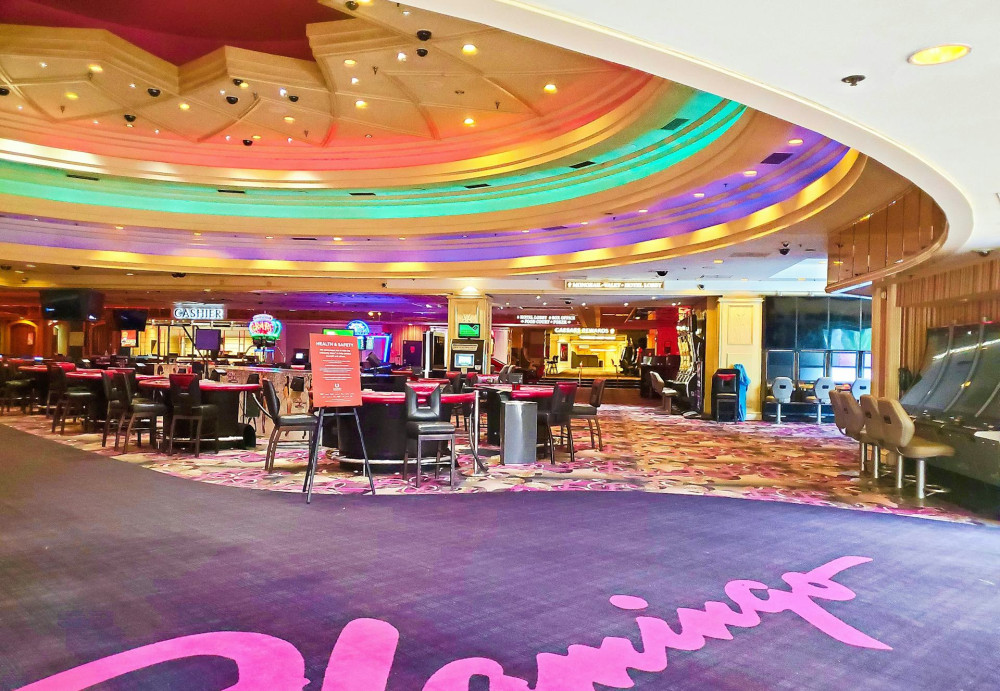
Originally, baccarat was a game reserved for the high-limit rooms of glamorous casinos in places like Las Vegas and Monte Carlo. But with the rise of online casinos in the 1990s, the game became accessible to a much wider audience. Today, players can enjoy baccarat on their smartphones, tablets, or computers—anytime and anywhere.
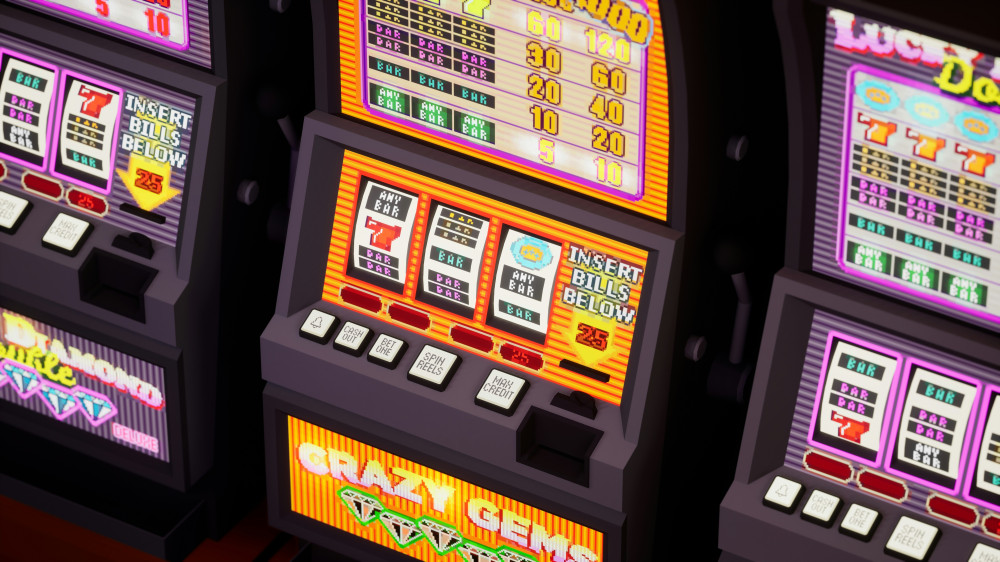
Digital versions of the game preserve the classic rules but add new features such as faster rounds, statistical tools, and the ability to play multiple hands simultaneously. These innovations have made baccarat more dynamic and approachable for both beginners and experienced players.
Live Dealer Baccarat – Human Connection in a Digital World
One of the most popular innovations in online baccarat is the live dealer format. In this version, the game is streamed directly from a professional studio, where a real dealer manages the cards while players participate through their screens. Multiple camera angles and interactive interfaces allow players to follow every move in real time and even chat with the dealer or other participants.
This format combines the best of both worlds: the social and authentic atmosphere of a physical casino and the convenience of online play. Many players find that live dealer baccarat adds an extra layer of excitement and trust, since everything unfolds right before their eyes.
Virtual and Augmented Reality – Baccarat in 3D
Recent advances in virtual reality (VR) and augmented reality (AR) have opened up entirely new possibilities for casino gaming. Some platforms are experimenting with VR baccarat, where players can walk through a digital casino, take a seat at a table, and interact with dealers and other players in a fully immersive 3D environment.
AR technology, on the other hand, allows players to “place” a baccarat table in their living room using a smartphone or headset, making the experience feel more tangible and engaging. While these technologies are still developing, they point toward a future where the line between physical and digital gaming becomes increasingly blurred.
Læs også:



Blockchain and Transparency in Gaming
Another major technological trend influencing baccarat is the use of blockchain and cryptocurrencies. Blockchain-based casinos record all transactions and game outcomes on a public, tamper-proof ledger. This provides players with greater transparency and security, as results cannot be manipulated.
At the same time, cryptocurrencies like Bitcoin and Ethereum allow for fast, anonymous transactions without the need for traditional banking methods. For many players, this combination of privacy and efficiency is a major draw.
Gamification and Social Interaction
To attract younger audiences, many online casinos have started to gamify baccarat. This means adding video game-style elements such as points, missions, leaderboards, and rewards. Some platforms even host tournaments where players can compete against each other in real time.
Social features are also becoming more common—live chat, emojis, and the ability to share results on social media make baccarat a more interactive and community-driven experience, rather than just a solitary game against the house.
The Future of Baccarat – Innovation with Respect for Tradition
While technology continues to reshape how we play, it’s important to remember that baccarat still rests on the same simple principles that have made it a favorite for centuries. The innovations aren’t about replacing the essence of the game but about expanding the experience—making it more accessible, engaging, and transparent.
The future of baccarat will likely be a blend of tradition and technology, where classic elegance meets modern interactivity. Whether you’re sitting at a physical table in Las Vegas or playing through a VR headset at home, the thrill of watching that final card turn over remains timeless.
Læs også: