Motivation in Adversity – Stay Focused When Results Fluctuate

Motivation in Adversity – Stay Focused When Results Fluctuate
When results don’t go your way and setbacks start to weigh you down, it’s easy to lose confidence—whether you’re an athlete, a coach, or a dedicated fan. In sports, adversity is inevitable, but how you respond to it defines your long-term success. Motivation in tough times isn’t about ignoring disappointment; it’s about using it as fuel to come back stronger.
Accept Adversity – and Learn from It
The first step to staying motivated is accepting that ups and downs are part of the game. No team wins every time, and no player performs at their best every week. Instead of viewing losses as failures, see them as opportunities to learn. What went wrong? What can be improved? When you analyze mistakes objectively, they become lessons that strengthen future performance.
For players and coaches, keeping a performance journal can be helpful—not just to record scores, but to reflect on effort, focus, and teamwork. Over time, this creates a more realistic picture of progress and development.
Set Realistic and Meaningful Goals
Motivation often fades when goals feel out of reach. That’s why it’s important to set smaller, measurable milestones that can be celebrated along the way. Instead of focusing solely on winning the next game, aim to improve passing accuracy, communication on the field, or shot efficiency.
Small wins build momentum. When you can see that your effort is paying off—even in small ways—it’s easier to stay committed to the process. This applies not only to athletes but also to fans and analysts who follow the game closely: focus on growth, not just outcomes.
Stick to Your Routines
When motivation dips, it’s tempting to cut corners. But those are the moments when sticking to your routines matters most. Consistent training times, recovery habits, nutrition, and mental exercises provide structure and stability.
Routines act as an anchor during unpredictable periods. They help maintain focus even when results fluctuate. For many athletes, discipline in daily habits is what separates those who give up from those who fight their way back.
Mental Strength – More Than Just Willpower
Motivation in adversity isn’t only about willpower; it’s about mental flexibility. It means being able to handle disappointment without letting it define you. One bad game doesn’t make you a bad player—just as one lost bet doesn’t mean you don’t understand the sport.
Techniques like visualization, mindfulness, and positive self-talk can help maintain calm and focus. Many professional athletes work with sports psychologists to strengthen their mental resilience—but the same principles can benefit anyone striving to perform better under pressure.
Læs også:


Find Motivation in Community
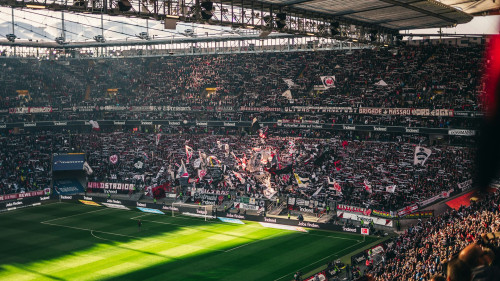
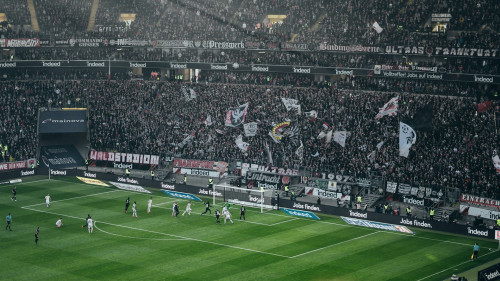
Motivation rarely thrives in isolation. It’s fueled by connection, support, and shared purpose. When a team stands together through adversity, losses become easier to bear, and victories feel even sweeter. The same goes for fans and sports enthusiasts—the community around the game can be a powerful source of energy and inspiration.
Talking openly about frustrations and expectations helps prevent setbacks from growing larger than they are. A strong community keeps perspective alive: sports—and life—are about more than just results.
Remember Why You Started
When motivation wavers, return to your “why.” What first sparked your love for the game? Was it the thrill of competition, the sense of belonging, the challenge, or simply the joy of playing?
Reconnecting with that original passion can be the most effective way to rebuild motivation. In the end, it’s not just results that drive us—it’s the experience of being part of something meaningful.
Turning Adversity into Drive
No one can avoid adversity, but everyone can choose how to respond to it. The most successful athletes, coaches, and fans use setbacks as part of their growth—as a mirror showing where improvement is possible.
Staying motivated when results fluctuate requires patience, self-awareness, and persistence. But it’s precisely in those difficult moments that the foundation for future success is built.
Læs også: