Historic Cycling Races as a Benchmark for Future Performance

Historic Cycling Races as a Benchmark for Future Performance
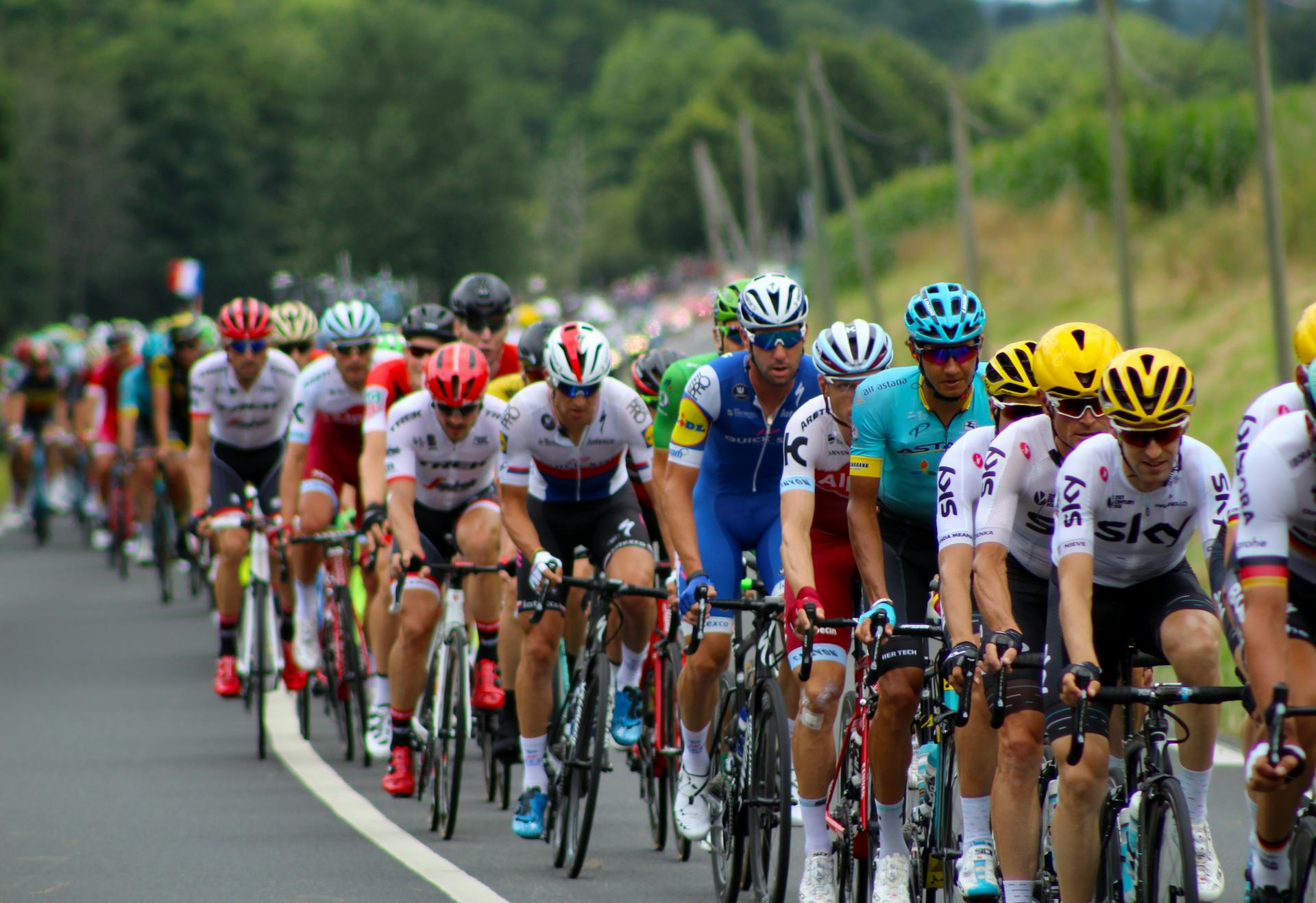
When following today’s cycling scene, it’s easy to focus solely on current results and the riders’ form in the moment. Yet history shows that past races often hold the key to understanding future performances. By analyzing patterns, tactical trends, and riders’ development over time, fans, analysts, and even betting enthusiasts can gain a more nuanced view of what lies ahead in upcoming seasons.
History Repeats Itself – But Never Exactly
Cycling is full of repetition: the same climbs, the same classics, the same rivalries between teams. Still, every race is unique. Looking back at historic editions of the Tour de France, Giro d’Italia, or the Tour of Flanders reveals that certain riders and teams have a special ability to perform under specific conditions. Some thrive in cold and rain, others shine in the high mountains.
By comparing data from previous years—average speeds, power outputs, and stage placements—analysts can identify recurring patterns. These patterns make historical races a valuable benchmark for predicting future results.
The Hidden Signals of the Classics
The great one-day races, such as Paris-Roubaix and Liège–Bastogne–Liège, often serve as early indicators of riders’ form and team strength. A cyclist who shows consistency in March and April often has the foundation to perform well in the Grand Tours later in the year.
Historical analysis shows, for instance, that riders who excel in Strade Bianche often perform strongly in the Ardennes Classics. The reason lies in the similar demands of these races: technical skill, endurance, and the ability to manage energy over long, punishing courses. By studying how riders have handled these challenges in the past, one can make educated predictions about who is likely to dominate the races to come.
Grand Tours as a Barometer of Form
The three major stage races—the Tour de France, Giro d’Italia, and Vuelta a España—are not only the highlights of the cycling calendar but also laboratories for future champions. Many of today’s top names first showed their potential in smaller stages or as domestiques in historic races.
By examining how riders have previously responded to mountain ranges, heat, recovery demands, and team tactics, analysts can assess who has the mental and physical capacity to take the next step. History shows that those who master the small details early—like positioning in crosswinds or managing energy on long stages—often become the ones who later win the sport’s biggest prizes.
Læs også:

Data, Tradition, and Intuition
In modern cycling, data analysis plays an ever-growing role. Teams use advanced models to predict performance, but even the most sophisticated algorithms rely on historical data. It’s the combination of tradition and technology that makes cycling so captivating.
For fans and betting enthusiasts alike, historical races can serve as an analytical tool. By comparing past results with current conditions—such as route changes, weather, and team lineups—one can form a more realistic picture of how a race is likely to unfold.
When the Past Inspires the Future
Cycling’s history is not just statistics—it’s also stories of courage, strategy, and human endurance. When a young rider battles up Alpe d’Huez or Mount Baldy, it’s impossible not to think of the legendary duels that have taken place on those same slopes. The past provides context, and that context makes the present more meaningful.
Understanding historic cycling races is therefore not only about predicting outcomes but about seeing the sport in a broader perspective. Each generation builds on the one before it, and within that pattern lies both the inspiration and the key to understanding where cycling is headed next.
Læs også: