Form Curves and Season Plans: The Key to Sharper Cycling Tips
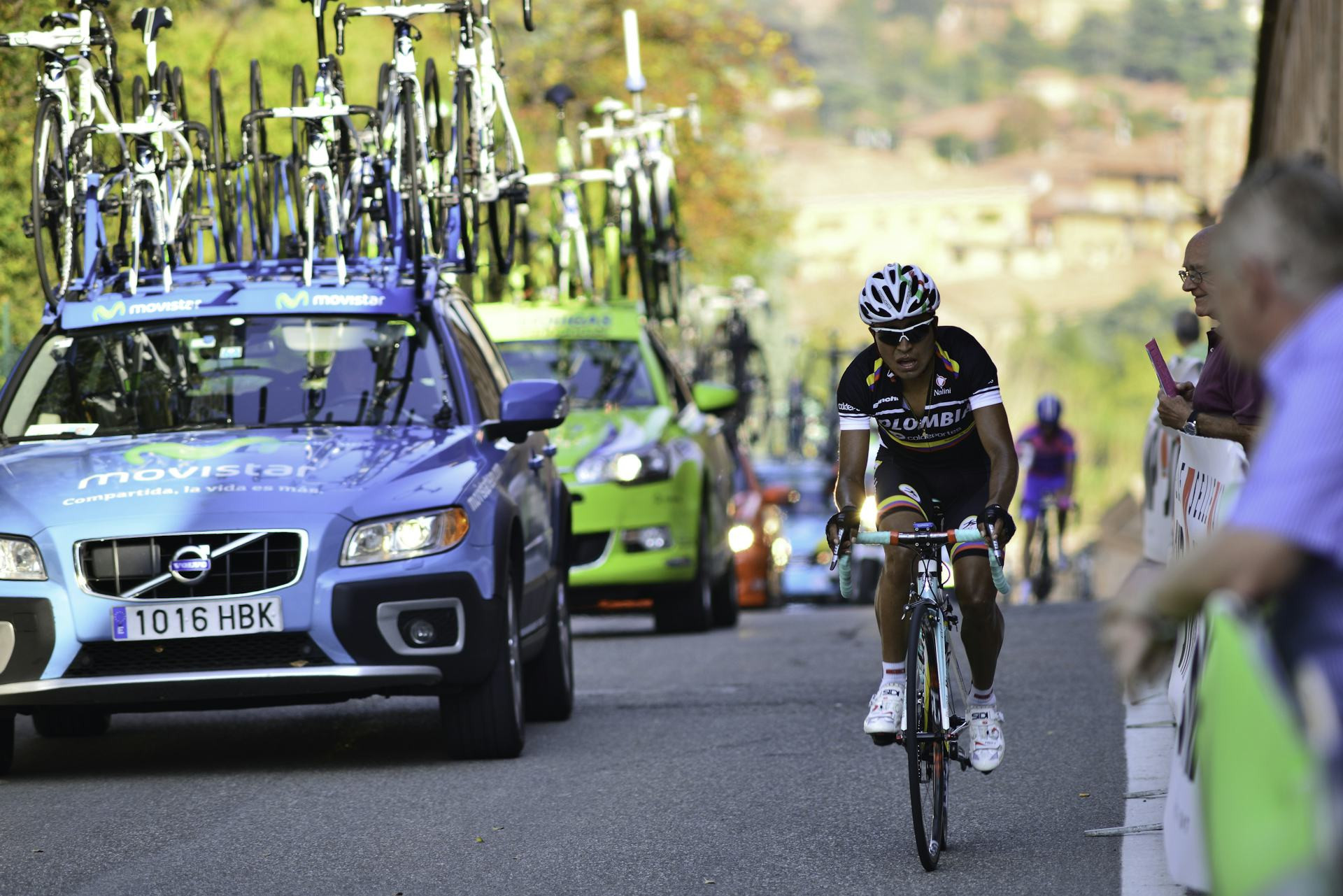
Form Curves and Season Plans: The Key to Sharper Cycling Tips
Predicting when a cyclist will hit peak form is both an art and a science. For those who follow the sport closely, success isn’t just about knowing the riders’ names—it’s about understanding their form curves, season plans, and the subtle signs that reveal when a rider is on the rise or fading. In a sport where seconds decide everything, insight into a rider’s preparation can be the key to sharper cycling predictions.
What Is a Form Curve—and Why Does It Matter?
A form curve describes how a rider’s performance level changes over time. No one can stay at their best all year, so riders and teams carefully plan when to reach top condition. That peak usually aligns with major goals like the Tour de France, the Giro d’Italia, or the World Championships.
Form builds gradually through training camps, smaller races, and controlled recovery periods. When you understand where a rider is in that cycle, you can better judge whether they’re ready to deliver a top result—or still a few weeks away.
A classic example is riders who use early-season races as preparation for the Grand Tours. They might look anonymous in March but explode in June when it really counts.
The Season Plan—A Rider’s Hidden Strategy
Every team creates a detailed season plan for its riders. It accounts for race types, terrain, team roles, and individual goals. Some riders focus on the spring classics, while others build their entire year around a single Grand Tour.
For anyone analyzing races, knowing these plans is crucial. A rider who just finished a grueling stage race season is unlikely to be at their best in a late-fall event. On the other hand, a young rider who’s had a lighter summer might be fresh and hungry when others are worn down.
Keep an eye on interviews, team announcements, and race calendars—they often reveal where a rider’s focus lies. That knowledge can make the difference between backing the right outsider or being misled by a big name using a race for training.
Data, Trends, and the Human Element
Modern cycling runs on data: power numbers, elevation profiles, recovery metrics, and training zones. But while the numbers tell part of the story, there’s still a human element that can’t be measured. Motivation, confidence, and team dynamics play a huge role.
A rider who just signed a contract extension or won a smaller race might ride a wave of confidence that boosts performance. Conversely, illness, crashes, or internal team tension can pull results in the opposite direction.
That’s why the best analysis combines hard data with an understanding of the riders’ mental and emotional state. The sharpest insights often lie at the intersection of statistics and intuition.
The Race Calendar as a Guide
When analyzing races, it helps to look at how they fit into the season. Stage races like Paris–Nice or Tirreno–Adriatico often serve as tune-ups for the Grand Tours. Classics such as the Tour of Flanders or Liège–Bastogne–Liège demand a completely different kind of form and preparation.
By comparing riders’ past results during the same periods, you can spot patterns. Some riders always peak early in the season, while others find their best legs in late summer. It’s rarely random—and that knowledge can give you an edge when assessing odds and chances.
How to Use Form Curves in Your Cycling Predictions
When evaluating a race, start by asking yourself three key questions:
- Where are we in the season? – Are the riders building up, peaking, or winding down?
- What does this race mean to the rider? – Is it a goal, a test, or just part of training?
- How does the race profile suit the rider? – Even in top form, a climber won’t dominate a flat classic.
By combining these factors, you can build a more nuanced picture of the field—and find value where others might not.
Læs også:
Conclusion: Timing Is Everything
In cycling, timing is everything—for the riders and for those who analyze the sport. Understanding form curves and season plans doesn’t just reveal who can win, but when they’re most likely to do it.
That’s where the sharpest cycling tips come from: the ability to see the patterns behind the results and recognize that peak form is rarely luck—it’s the product of careful planning and perfect timing.
Læs også: