Weather and Clay: How Humidity Affects the Game’s Dynamics

Weather and Clay: How Humidity Affects the Game’s Dynamics
When you watch tennis on clay, it can seem like the rhythm never changes—long rallies, high bounces, and patient players grinding from the baseline. But beneath the surface, the weather—and especially humidity—plays a much bigger role than most fans realize. A damp court can alter the ball’s speed, the player’s movement, and even the strategy behind every point. Let’s take a closer look at how humidity shapes the game’s dynamics and why it matters for both players and spectators.
The Nature of Clay – A Living Surface
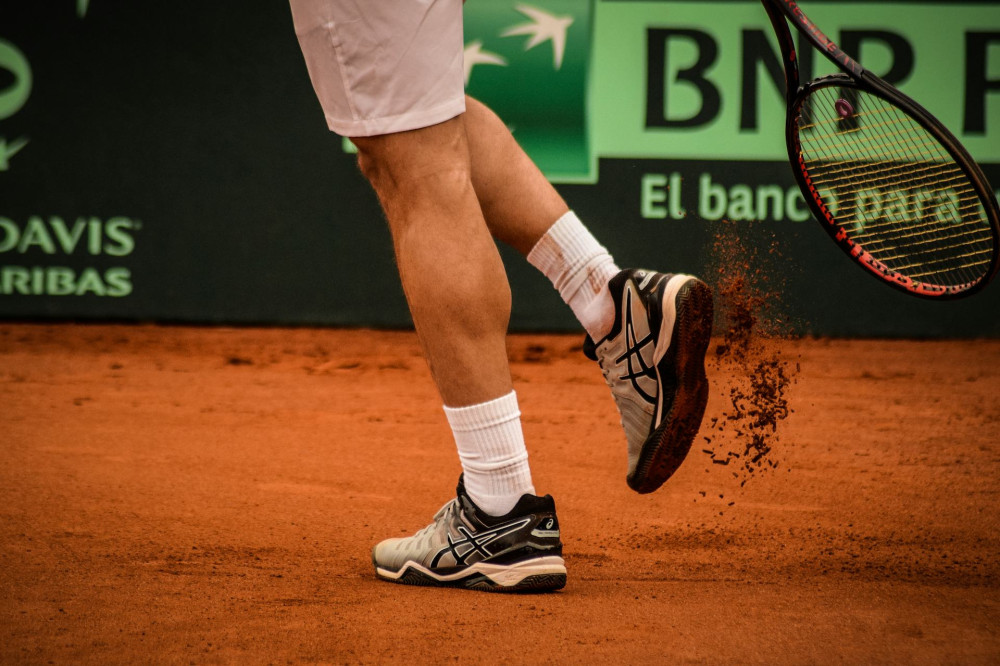
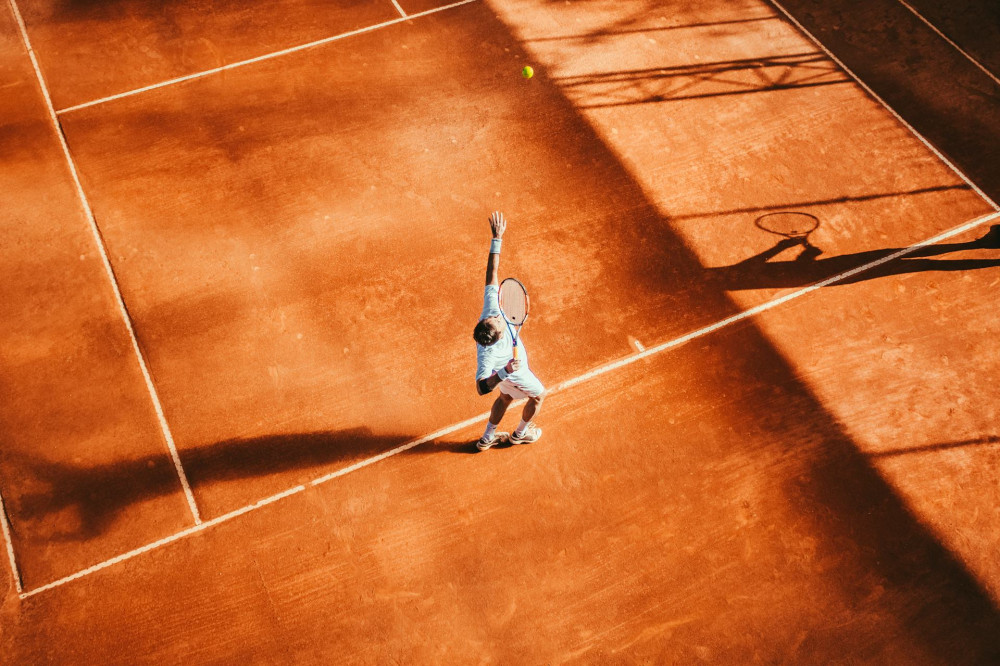
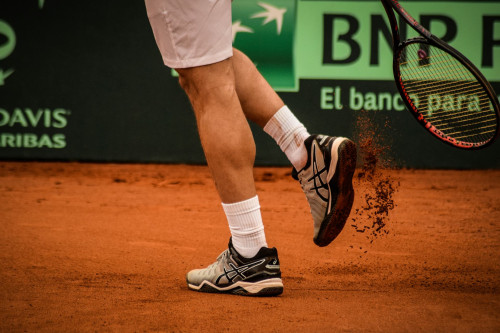
Clay courts are unique because they constantly evolve with the weather. Unlike hard or grass courts, clay is made of fine particles that bind differently depending on moisture levels. When the court is dry, the surface becomes loose and faster, and the ball bounces higher. When it’s humid or freshly watered, the clay compacts, slowing the game down and lowering the bounce.
For players, that means constant adjustment. On a dry court, quick reactions and precise footwork are key. On a damp one, patience and the ability to construct points carefully become more important. The same player can look completely different depending on how the court “feels” that day.
How Humidity Affects the Ball
Humidity doesn’t just change the court—it changes the ball itself. A damp ball absorbs moisture from the air and the surface, becoming heavier. That extra weight reduces both speed and spin, making shots feel heavier on the arm. For players who rely on heavy topspin and high bounces—think of clay-court specialists like those who thrive at Roland Garros—humid conditions can be a real challenge.
On the other hand, players with flatter strokes and clean timing can benefit. The slower, heavier conditions give them more control and reduce the impact of their opponent’s spin. That’s why humid weather often levels the playing field between contrasting styles.
Læs også:


Strategic Adjustments in Humid Conditions
As humidity rises, the rhythm of the match changes. Serves lose some of their pop, and it becomes harder to hit outright winners. Instead, matches turn into tests of endurance, precision, and mental focus. Players who can stay patient and consistent in long rallies gain a clear advantage.
Coaches and players often make small but crucial adjustments. They might use looser string tension to generate more power with the heavier ball, or stand closer to the baseline to take the ball earlier before it slows down. These subtle tweaks can make the difference between winning and losing in sticky conditions.
The Grounds Crew’s Role – Timing Is Everything
At major tournaments like the French Open, the grounds crew plays a vital role in managing humidity levels on the court. They water the surface regularly to maintain consistency. Too much water, and the game becomes sluggish; too little, and the court turns dusty and slippery.
The timing of that watering can even influence the outcome of a match. A player who prefers faster conditions might be at a disadvantage if the court is freshly watered before play begins. It’s a reminder that in clay-court tennis, the environment is as much a factor as the opponent across the net.
Humidity and Analysis – The Hidden Variable
For fans and analysts who love to predict match outcomes, humidity is an often-overlooked variable. Statistics show that physically strong, defensive players tend to perform better in humid conditions, while aggressive shot-makers who rely on quick points can struggle. Factoring in the weather can provide a more complete picture of how a match might unfold—it’s not just about rankings or recent form, but also about how each player adapts to nature’s subtle shifts.
The Invisible Opponent
Humidity is one of the most underestimated forces in clay-court tennis. It can change the pace of play, the behavior of the ball, and the strategies players use—all without most spectators noticing. For the athletes, though, it’s a constant opponent that demands adaptability, experience, and mental toughness.
So next time you watch a match on a damp clay court, pay attention to how the ball moves and how the players adjust. You’ll see that the weather isn’t just a backdrop—it’s an active part of the game’s drama.
Læs også: