Value Betting in Motion: Adjust Your Strategy as the Market Shifts

Value Betting in Motion: Adjust Your Strategy as the Market Shifts
At its core, value betting is about finding wagers where the odds are higher than the true probability of the outcome. It sounds simple, but in practice, it demands constant adaptation. Markets move, information spreads faster than ever, and sportsbooks are increasingly efficient at adjusting their lines. To maintain a long-term edge, you have to move with the market—not against it.
Understand Why Markets Move
Odds don’t shift randomly. They move because new information changes the underlying probabilities—or because large bettors move the market with their action. A quarterback injury, a change in weather conditions, or even a shift in public sentiment can cause lines to swing dramatically.
As a value bettor, your job is to understand why a line moves. Is it a genuine change in probability, or just an overreaction by the market? That distinction can determine whether you’re finding true value or chasing noise.
Timing Is Everything
Finding value isn’t just about identifying mispriced odds—it’s also about timing your bets. Sometimes the value appears early, before the market adjusts. Other times, it emerges late, when public money pushes a line too far in one direction.
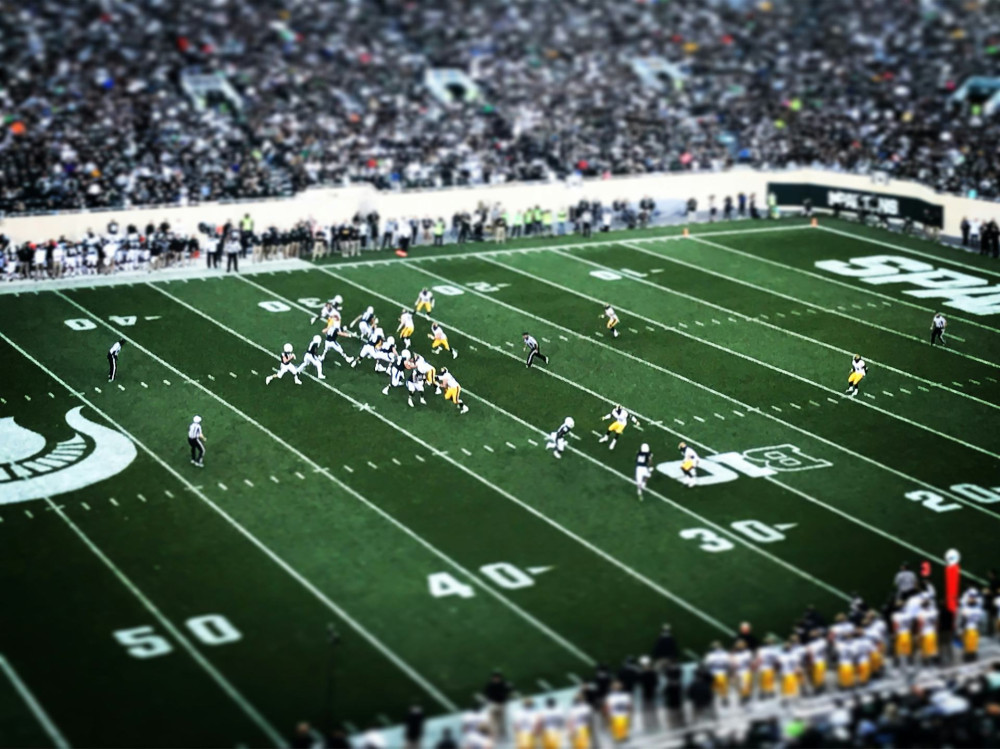
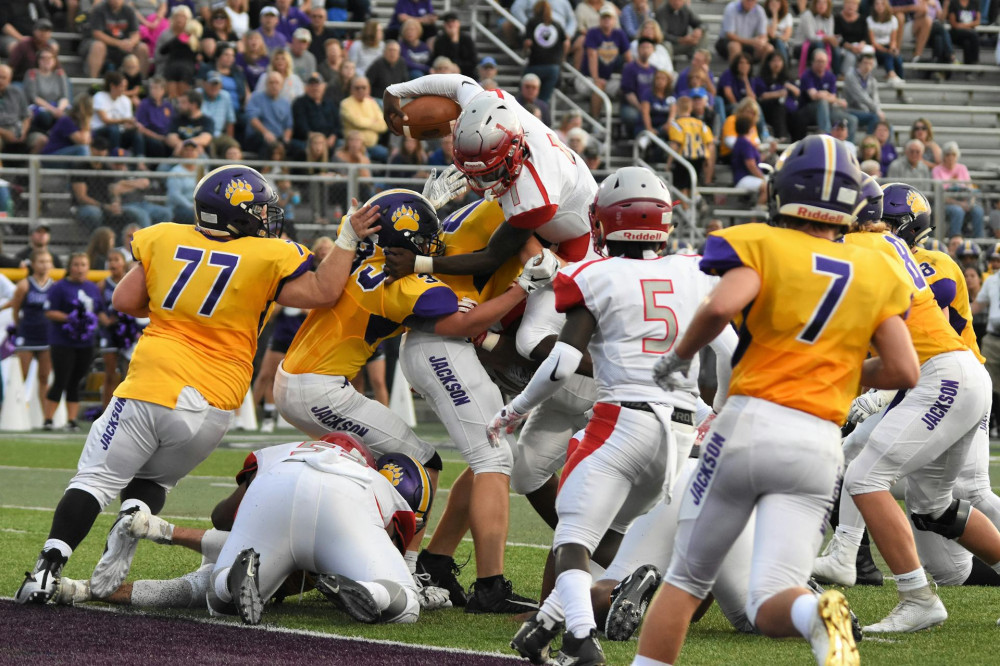
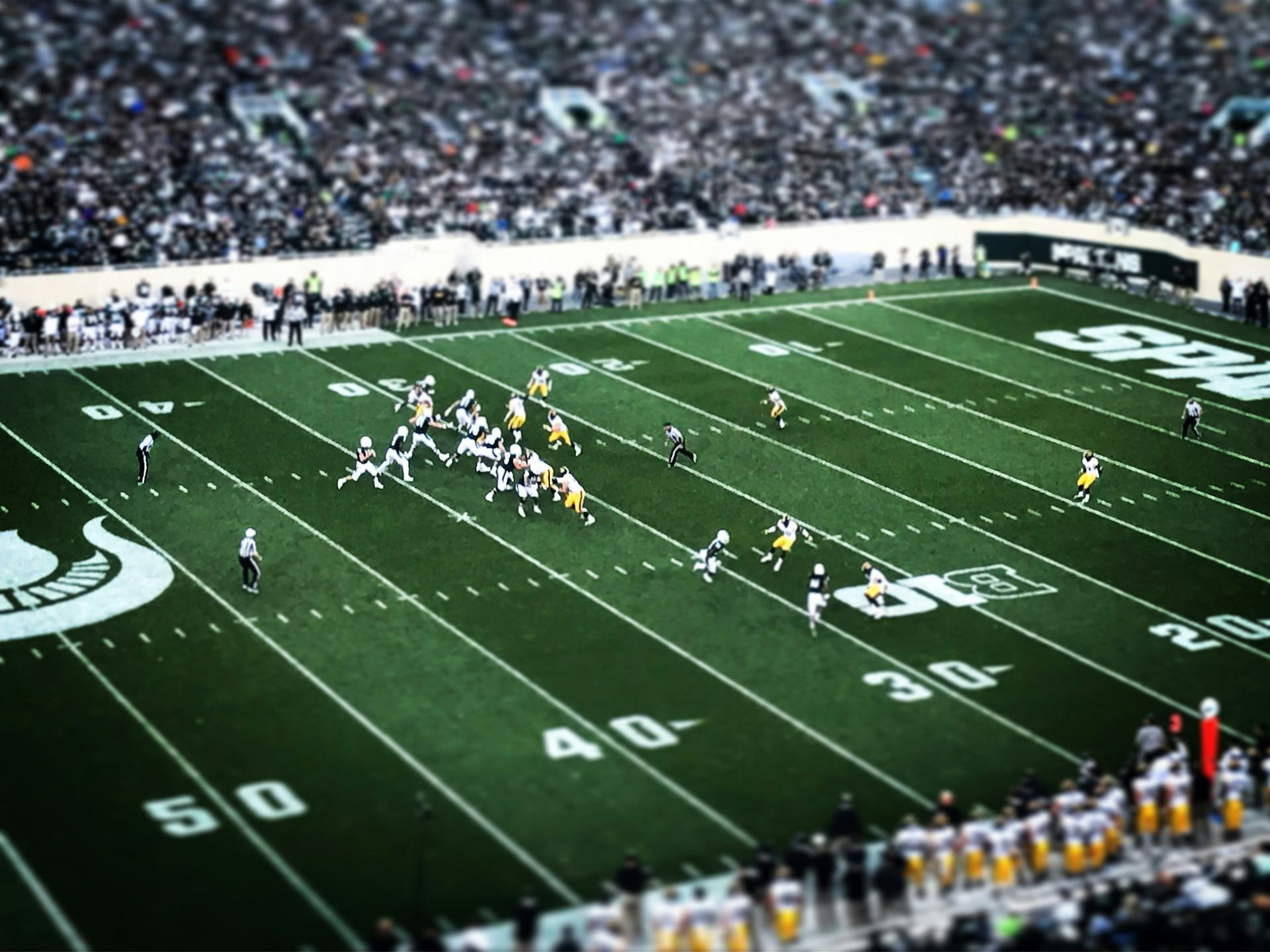
Take the NFL, for example. Lines can move significantly in the days leading up to kickoff, especially when injury reports or weather updates hit the news. If you understand how the market reacts, you can time your bets to capture the best number—and that’s where your expected value grows.
Adjust Your Model, Not Just Your Bets
Many value bettors rely on models to estimate probabilities. But a model is only as good as the assumptions behind it. When the market evolves—say, because teams change their playing style or a league becomes more offense-oriented—your model needs to evolve too.
That means regularly reviewing your data and weighting. Maybe home-field advantage is shrinking, or maybe player injuries have a bigger impact than before. A static model quickly becomes outdated. A dynamic one keeps you ahead of the curve.
Learn from Market Movements
Even when you’re not betting, you can learn a lot by observing how lines move. Which types of news cause the biggest shifts? Which teams are consistently overvalued or undervalued? By studying these patterns, you can identify where the market systematically misjudges probabilities—and where you might find value next time.
A practical habit is to track your bets and note how the line moved before the game started. Over time, you’ll see whether you’re consistently beating the closing line. If you are, that’s a strong indicator that your process is sound—even if short-term results fluctuate.
Læs også:


The Psychology of a Moving Market
When the market moves against you, it’s easy to doubt your analysis. But value betting is about probabilities, not perfection. The key is to trust your process while staying open to new data that might prove you wrong.
Staying calm in a shifting market requires discipline. You have to accept that even good bets lose sometimes, and that the market occasionally knows more than you do. The best value bettors aren’t those who are always right—they’re the ones who learn the fastest from being wrong.
The Future of Value Betting: Data, Speed, and Adaptation
As betting becomes more data-driven and information spreads in real time, finding obvious pricing errors is getting harder. But that doesn’t mean value betting is dead—it just demands more precision.
The successful bettors of the future will be those who combine analytics with an understanding of market psychology. Those who can react quickly, but not impulsively. And those who recognize that value betting isn’t a fixed formula—it’s a living process, a constant adaptation to a market that never stands still.
Læs også: