Track Characteristics: How Length, Turns, and Surface Affect Your Race Predictions

Track Characteristics: How Length, Turns, and Surface Affect Your Race Predictions
When you’re trying to predict the outcome of a race—whether it’s NASCAR, IndyCar, or Formula 1—it’s easy to focus on driver performance, team strategy, and recent results. But one factor that often flies under the radar is the track itself. Its length, layout, and surface can dramatically influence how a race unfolds. In this article, we’ll explore how these characteristics shape race dynamics—and how understanding them can sharpen your predictions.
Length: Strategy, Speed, and Endurance
A track’s length affects far more than just the number of laps. It influences fuel strategy, tire wear, and even how teams approach qualifying.
- Short tracks—like Bristol Motor Speedway or Martinsville—tend to produce tight racing, frequent contact, and little room for error. Track position is everything, and pit strategy can make or break a race.
- Longer circuits—such as Road America or Circuit of The Americas—demand endurance and precision. Weather conditions can vary across the course, and teams must balance speed with tire and fuel management.
When analyzing a race, consider how the track’s length aligns with a team’s strengths. Some cars excel on short, high-intensity ovals, while others perform better on long, flowing road courses that reward consistency and balance.
Turns: Technique and Vehicle Setup
The number, shape, and rhythm of turns define how a track “feels” to a driver—and which cars have the upper hand.
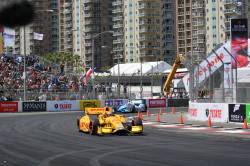
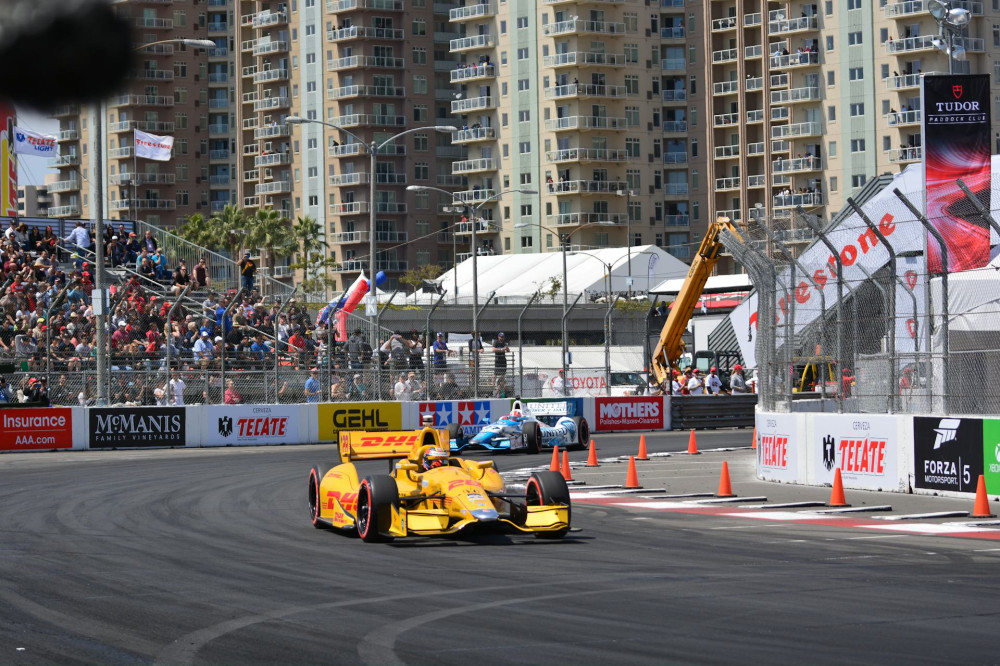
- Tight, technical corners—like those at the Long Beach Grand Prix or the street circuit in Nashville—reward cars with strong mechanical grip and drivers who can brake late and accelerate smoothly.
- Fast, sweeping turns—like those at Michigan International Speedway or Road Atlanta—favor aerodynamic efficiency and stability. Small differences in downforce can translate into major time gains.
A smart approach is to look at how teams have performed on similar tracks. A car that thrives in slow, twisty sections will likely do well again, while one built for top speed may struggle if the track demands constant direction changes.
Surface: Grip, Wear, and Temperature
Track surface is one of the most underestimated factors in race analysis. It affects grip levels, tire degradation, and how teams set up their cars.
- Smooth asphalt provides less grip but reduces tire wear, allowing for longer stints between pit stops.
- Rough or abrasive surfaces—like those at Atlanta Motor Speedway—chew through tires quickly, forcing teams to plan for more frequent stops.
- Temperature also plays a key role: hot tracks increase tire wear, while cooler conditions make it harder to bring tires up to optimal temperature.
Before making predictions, check whether the track has been recently repaved or if it’s known for being slick or bumpy. These details can completely change the race’s rhythm—and give you an edge in forecasting outcomes.
Læs også:

Elevation and Weather: The Hidden Variables
Some tracks sit at high altitude, like the one in Denver’s former Grand Prix, where thinner air reduces engine power and affects aerodynamics. Others, such as Sonoma Raceway, feature dramatic elevation changes that challenge braking and traction.
Weather is another wild card. Tracks in humid or coastal regions—like Daytona or Sebring—can shift from dry to wet in minutes. A sudden rain shower can turn a predictable race into a strategic puzzle, favoring drivers with experience in changing conditions.
How to Use Track Characteristics in Your Predictions
When evaluating an upcoming race, ask yourself three key questions:
- Does the track layout suit the car’s strengths? Review past results on similar circuits to see which teams tend to perform well.
- How will the surface and temperature affect tire strategy? Tire management often decides races, especially on abrasive or high-heat tracks.
- Are there unique conditions that could alter the race? Elevation, weather, or even track repaving can shift the competitive balance.
By combining these insights with data on driver form and team development, you can build a more complete picture of how a race might unfold—and make more informed predictions.
The Track as the Key to Understanding
A race track isn’t just a backdrop—it’s an active player in the drama of motorsport. It highlights strengths, exposes weaknesses, and creates opportunities for the unexpected. For those who understand its influence, the track becomes more than a strip of asphalt—it becomes the key to unlocking the deeper strategy behind every race.
Læs også: